


The Nature of Casino Games
Casino games have long been a staple of entertainment, intriguing players with their combination of excitement and suspense. At their core, these games can largely be categorized into two distinct groups: those that heavily rely on luck and those that are influenced by the skill of the player. Many players enjoy using betting apps to enhance their experience with games of chance, such as slot machines and roulette, primarily depend on random outcomes, where the player has little to no control over the game’s result. Conversely, games like poker and blackjack allow for strategy, decision-making, and a degree of skill, making them more complex and engaging for players.
The appeal of casino games lies in their unpredictability. Players are drawn to the thrill of potentially winning large sums of money from a small wager, which often seems like a gamble of fate. However, many players underestimate the significant role that skill can play in certain games. For example, a skilled poker player may outperform inexperienced opponents by utilizing strategies like bluffing, reading opponents’ behaviors, and calculating odds, which adds depth to the gameplay and can influence the outcome significantly.
Understanding the nature of these games is crucial for gamblers looking to improve their odds. While luck can, and often does, have an immediate impact on the results of games based on chance, skillful play can enhance a player’s experience and increase potential long-term winnings in skill-based games. Gamblers should approach each game with a clear understanding of the inherent luck factor versus their ability to influence outcomes through skill.
The Role of Luck in Gambling
Luck is an undeniable aspect of casino games that attracts players from various backgrounds. The element of randomness provides a level of thrilling uncertainty that can be exhilarating. Games like slots are purely luck-based; every spin is independent, and no strategy can influence the machine’s outcome. This randomness is what makes these games particularly appealing, as players can experience immediate wins or losses without the need for extensive knowledge or skill.
Though players may come to the casino with a hopeful mindset driven by luck, it is important to acknowledge the statistical nature of these games. Each game has a house edge, which is the advantage that the casino maintains over players. This edge ensures that, in the long run, the casino will always profit. Thus, while luck can lead to short-term victories, the overall odds are typically stacked against the player. Understanding this dynamic is crucial for anyone participating in luck-based games.
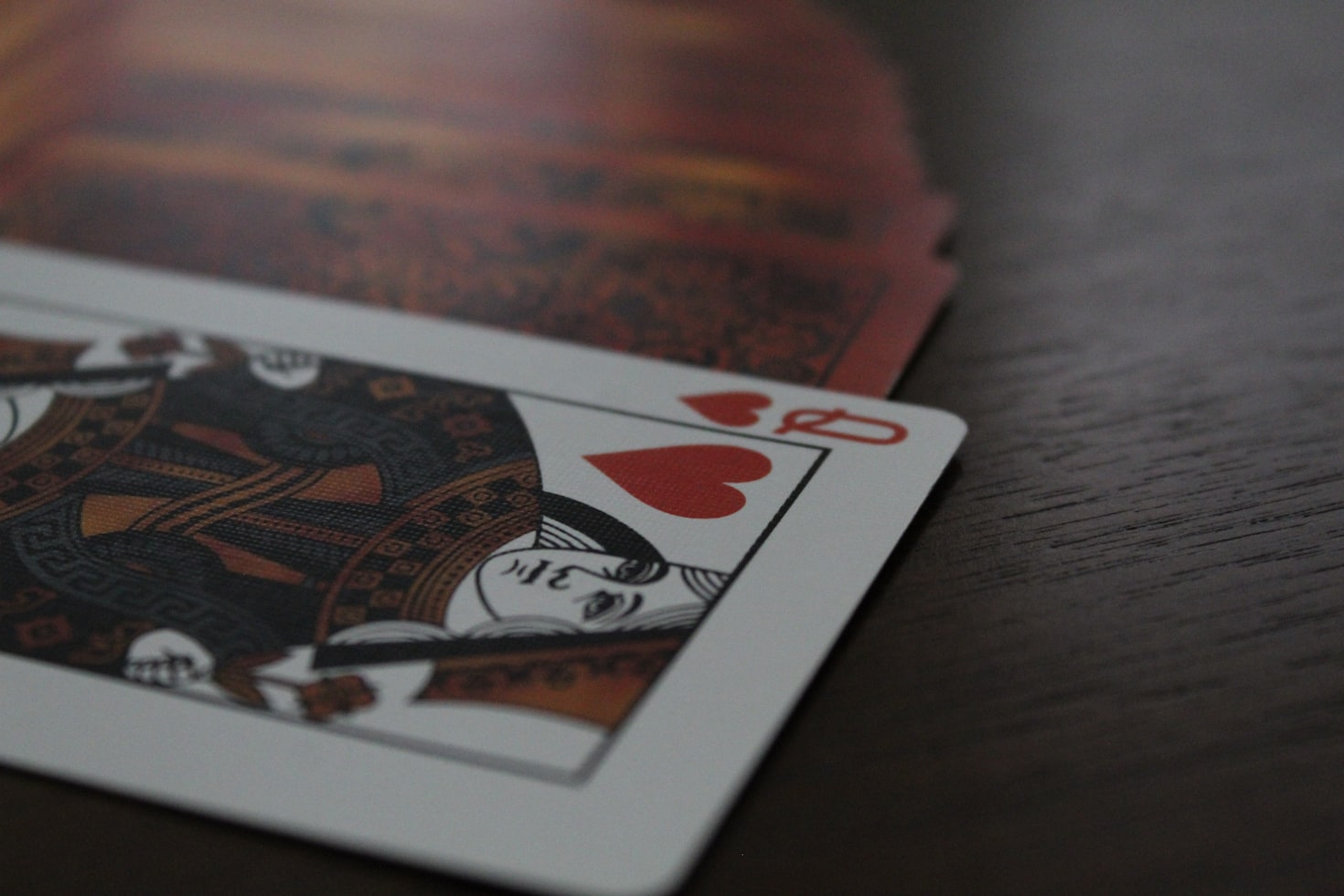
Ultimately, while the allure of hitting a jackpot can be captivating, players must approach luck-driven games with realistic expectations. Players should enjoy the thrill of chance without putting substantial resources at risk, understanding that luck will fluctuate in the short term, and responsible gaming practices are essential for a positive experience. This recognition will enhance their understanding of the true nature of these games and their inherent unpredictability.
Skill-Based Games and Strategy
While luck drives the outcome of many casino games, skill-based games offer an opportunity for players to leverage their knowledge and experience to gain an advantage. In games like poker and blackjack, understanding the rules and strategies can significantly enhance a player’s success. Knowledge of probability, card counting, and opponent behaviors all play critical roles in a skilled player’s approach. For instance, in blackjack, knowing when to hit, stand, double down, or split can greatly affect the odds.
The social dynamics of skill-based games also introduce a layer of complexity that luck-based games lack. Players must not only be focused on their own cards and decisions but also be attentive to the actions and tendencies of their opponents. This added layer of strategy allows for a more interactive and engaging gaming experience, where mental agility and psychological insight can lead to victories. Strategies evolve over time, making these games a true test of skill and intellect.
Moreover, skilled players often dedicate time to practice and study game strategies, akin to athletes training for a competition. This preparedness can be the differentiator between casual players who rely solely on luck and those who approach the game with a competitive mindset. In skill-based games, practice and skill development can lead to sustained success, highlighting the contrast between the roles of luck and skill in gamified settings.
The Psychological Aspect of Luck and Skill
The interplay between luck and skill extends beyond the mechanics of the game to the psychological makeup of the players. Gamblers often exhibit cognitive biases that can distort their perception of luck and skill. For instance, the “gambler’s fallacy” is a common belief that past outcomes can influence future results in a game of chance. This fallacy can lead players to make poor decisions based on superstition or misinterpretation of probability, which can ultimately undermine their success.

On the other hand, players who understand the skill elements of a game tend to have a more rational approach to gambling. They make decisions based on calculated strategies rather than relying on luck alone. This psychological readiness and realistic expectation can lead to a more enjoyable gaming experience. Furthermore, experienced players often develop a resilience to the downtimes that come with gambling, attributing losses to factors they can control rather than mere bad luck.
Creating a healthy psychological approach to gambling is crucial for long-term engagement. Players should cultivate awareness of how luck and skill affect their games, recognizing the importance of both elements in their overall experience. By establishing a balance between enjoying the thrill of luck and honing their skills, players can approach gambling with a mindset that promotes responsible play and enhances their enjoyment of casino activities.
Conclusion and Resources for Players
In conclusion, the relationship between luck and skill in casino games is intricate and deeply intertwined. While luck plays a pivotal role in games of chance, skill can significantly influence the outcomes in games that allow for strategic decision-making. Understanding the nuances of both elements enables players to enhance their gaming experiences while maintaining a responsible approach to gambling. Players should strive to find a balance between enjoying the excitement of luck and actively developing their skills in strategic games.
As players navigate the world of casino games, it is beneficial for them to seek resources and communities that promote informed gambling practices. Websites dedicated to educating players about strategies, game mechanics, and responsible gaming can provide invaluable insights. By tapping into these resources, players can enrich their understanding of games, making more informed decisions that enhance both their enjoyment and potential success.
To further enhance their understanding and approach to casino games, players can engage with forums, articles, and expert analyses that delve into the strategies and psychological aspects of gambling. By actively participating in discussions and learning from experienced players, they can develop a more nuanced perspective on the balance between luck and skill—ultimately leading to a more responsible and rewarding gaming experience.